


Contributed article by Diane Drobka
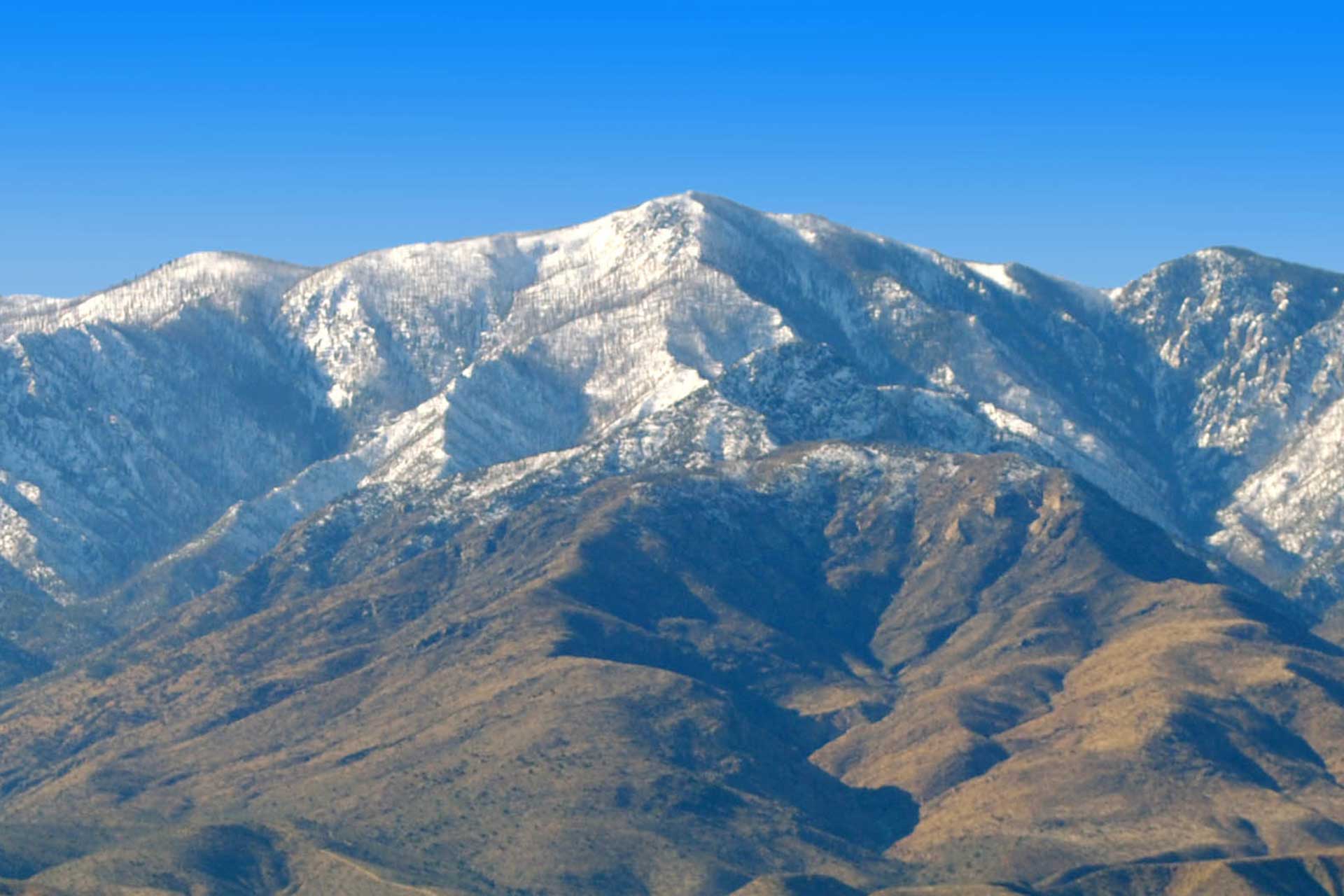
GRAHAM COUNTY — Since 2022, a silent renewal has been shaping the future of the Pinaleño ecosystem as volunteers and hired hands help nature rebound from wildfires and other landscape-level alterations.Tucson-based nonprofit Taproot Collaborative, partnering with the Coronado National Forest’s Safford Ranger District, has led a series of watershed projects to restore the land’s resiliencyin the high-elevation forests and meadows ofMount Graham within the Frye Fire impact zone.
Named the Pinaleño Sacred Springs Project, the work is a multi-year effort to restore springs, wet meadows and creeks on Mt. Graham. Much of the work centers around constructing water catchmentassemblages to slow runoff, prevent erosion,boost soil moisture, and raise water tables to enhance vegetative recovery in damaged areas.Now spanning seven locations in three watersheds in the Pinaleños, the efforthas enticed contractors and volunteers to travel up the slow, winding Swift Trail to reach the project sites at elevations as high as 10,600 ft.
In May of this year, Taproot Collaborative brought together a diverse collection of partners and began work at Treasure Park, Hospital Flat and other sites. It was a robust week of work with teams moving 37 tons of rock by hand and building 88 water catchment structures.
Local assistance came in part from the newly formed Gila Valley Land Stewards, a Safford-based groupnow seeking additional partnerships to restore watersheds in Graham and Greenlee counties. Their focus includeswildfire hazard reduction, riparian enhancement, native plant reintroductions and, in the case of Sacred Springs, erosion control.
“We’d like to thank Garland Speightwith the Aravaipa Watershed Conservation Alliance for connecting us with Taproot and this project,” said Lance Vaughn, Executive Director of the Gila Valley Land Stewards.
The project reached far and wide to bring in others who want to speed up nature’s recovery to restore healthy habitats. Partners included the San Carlos Apache Tribe, University of Arizona, Natural Channel Design Engineering, Arizona Conservation Corps, Strategic Habitat Enhancements LLC, Synthesis Consulting, and Aravaipa Watershed Conservation Alliance.
Upon arrival at the site, Parker Brown of Natural Channel Design, managing the project, andTrevor Hare, explained the techniques and goals of the project. “These wet, pine-laden higher elevations provide a rare Sky Island refuge for 18 species that are endangered andsome found nowhere else in the world,” noted Hare.
The week spent at the various sites was originally supposed to be prep work for another crew to finish the project later in the year. But, with so many enthusiastic workers, all seasonally accessible areas were completed!
Much of the work was very labor intensive, hauling heavy, unwieldy rocks through ahuman chain shuttling them down slopes. Once at their planned destination, rocks were meticulously placed along stream beds like LEGOS popping right into place.In Treasure Park meadow, where erosion was beginning, crews created a “half-moon”-shaped structure with rocks called a Media Luna.
“I personally feel that my eyes have been further opened to the critical role of maintaining diverse communities of life by these fragile, yet robust sacred wetlands, the sky island high-elevationciènegas,” said Jonathan Dugi,Program Manager for the Gila Valley Land Stewards.
Restoring springs and wetlandsis not Taproot’s only goal. The Sacred Springs Project is the brainchild of Taproot’s Founding Director, Scotty Johnson, who wants to also demonstrate the powerful and untapped role that native soil fungi perform in speeding forest restoration.
“With this project we’re showing how water catchments in tandem with the right fungal inoculant during plantingenhances tree survival and growth rates,” said Johnson. He points to extensive research that demonstrates seedlings grow up to 60% faster when native soil fungi are present. Taproot is working with expert mycologists from the University of Arizona and Northern Arizona University to advance this component.
These projects not only help nature heal, theyoffer valuable real-life lessons to youth who may pursue land management careers. Every summer Taproot leads San Carlos Apache Tribal youth groups, like the San Carlos chapter of Future Farmers of America, on field visits to the sites to see firsthand how beneficial erosion control can be.
Known as DzilNchaaSi’an in Western Apache, the Pinaleños are one of their four holiest mountains and are considered sacred to 12 regional tribes.San Carlos Apache Tribe members serve as project advisors to Taproot;the group visitedEmerald Spring, where Taproot showed participantsthe 12,000-year-old, high-elevation, rare and culturally important spring that Taproot began restoring in 2022.
Foundation and agency support to various aspects of this project enable Taproot to hire contractors, providing much-needed employment in the community. Agency support has come from the U.S. Forest Service, and foundation support has come from the Catena Foundation, the National Forest Foundation,The Nature Conservancy, andthe Quinsey Family Trust.
Taproot plans more restoration and collaboration activities on the mountain in years to come. If you would like to learn more about the effort or the organization, visit their website at www.taprootcollaborative.org, or send an email to info@taprootcolllaborative.org.
For more information about the Gila Valley Land Stewards, to financially support their efforts, or to request their assistance with land enhancement, call Lance Vaughn at 520-668-1796.