
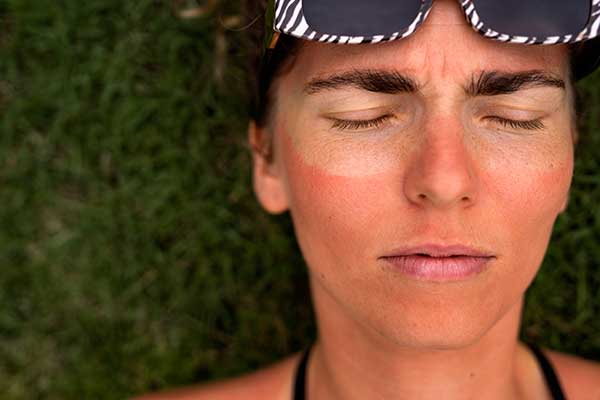


As temperatures in Arizona continue to rise, staying hydrated and cool this summer isn’t the only concern. Protecting your skin from the sun becomes crucial, particularly in July when UV rays are at one of its peak strengths.
Dr. Cara Christ, Chief Medical Officer at Blue Cross Blue Shield of Arizona, highlights the heightened risk during these months, as well as precautions to take to protect our skin from the sun and its harmful UV rays.
The American Cancer Society estimates that 100,640 people in the U.S. will be diagnosed with melanoma in 2024. Arizona’s melanoma rates are about 40% higher than the national average.
Though less common than other skin cancers, melanoma can spread to other parts of the body if not caught early. It can even be fatal if diagnosed at a late stage. But if found before it has had a chance to grow, melanoma is very treatable.
Preventative Steps
A few small steps you can take to better protect your skin from sun damage include:
- Wear sunscreen: Choose a broad-spectrum sunscreen with an SPF of 30 or higher and apply it generously. It is recommended that sunscreen is reapplied every two hours. Sunscreen should also be reapplied after you’ve been in the water or after heavy sweating.
- Seek shade: Avoid direct sun exposure during peak hours, typically from 10am to 4pm.
- Wear protective clothing: Long-sleeves, wide-brimmed hats, and UV-blocking sunglasses can help shield your skin.
- Stay hydrated: Drink plenty of water to stay hydrated and help your skin recover from the sun.
How to spot melanoma
Melanoma can look different on different people. Oftentimes it’s mistaken for a mole, freckle, or age spot – so knowing the difference is important. To help recognize this type of skin cancer, doctors have come up with some simple guidelines called the ABCDEs of melanoma. If you find a spot on your skin and wonder if it could be melanoma, ask yourself these questions:
Asymmetry: Does one half of the spot look different than the other?
Border: Does it have an irregular or undefined border?
Color: Does it have different shades of tan, brown, or black, or parts that are white, red, or blue?
Diameter: How big is it? Melanomas are usually bigger than a pencil eraser, but they can be smaller.
Evolving: Has the spot changed shape, size, or color? Skin cancer can affect anyone, regardless of their age or skin tone. However, individuals with fair skin, light-colored eyes, and a history of sunburns are at a higher risk of developing skin cancer. It is important for everyone, particularly those with higher risk factors, to perform regular self-examinations and schedule annual skin cancer screenings with a dermatologist.